
Starting at the Castle Grounds
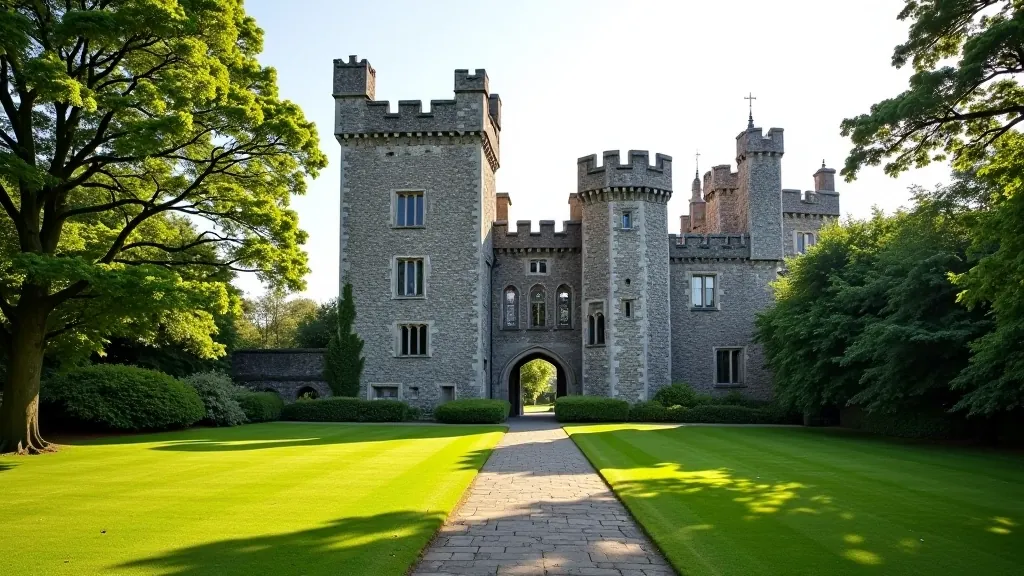
Begin your walk at Kilkenny Castle, where you'll find adequate car parking and accessible restrooms. The castle itself sits majestically overlooking the river, though you don't need to enter (saves money) — the exterior and surrounding parkland tell their own story. The Mile traditionally starts here because it's where Norman power was concentrated in the 13th century.
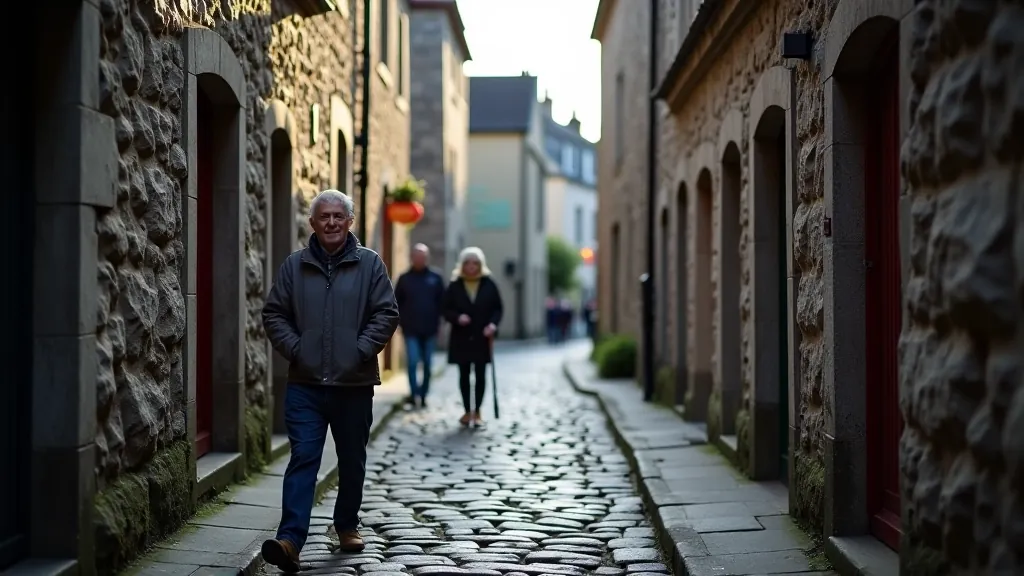
From the castle gates, you're immediately walking medieval streets. The cobblestones can be uneven, so sensible shoes matter more than you'd think. We're not talking hiking boots, but proper walking shoes with good grip will make the difference between enjoying the route and fighting your feet the whole way.
Churches and Religious Heritage

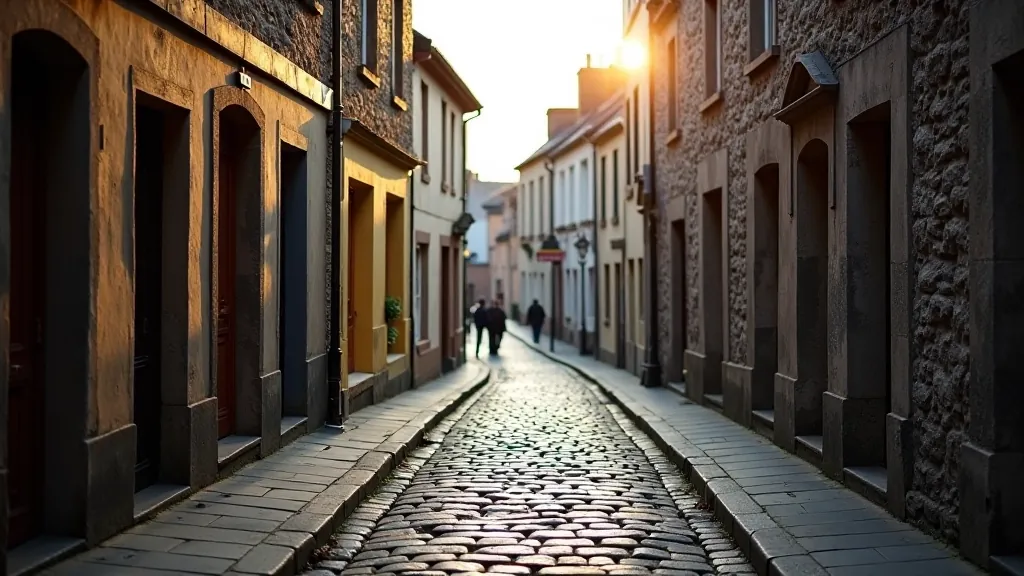
You'll encounter four major churches on the route — each with distinct architectural periods. St. Canice's Cathedral is the heavyweight champion here. Built in 1251, it's genuinely impressive and worth the small entrance fee if your knees are up for the tower climb (96 steps, narrow spiral staircase). The views from the top aren't essential to the walk, but they're magnificent on clear days.
What's interesting is how each church marks a different phase of Irish history. St. Mary's shows the Reformation's impact. St. John's has that solid medieval merchant-class feel. Don't rush these sections — there's real substance here. The information plaques are genuinely well-written and don't feel like filler.
Shopfront Architecture and Daily Life
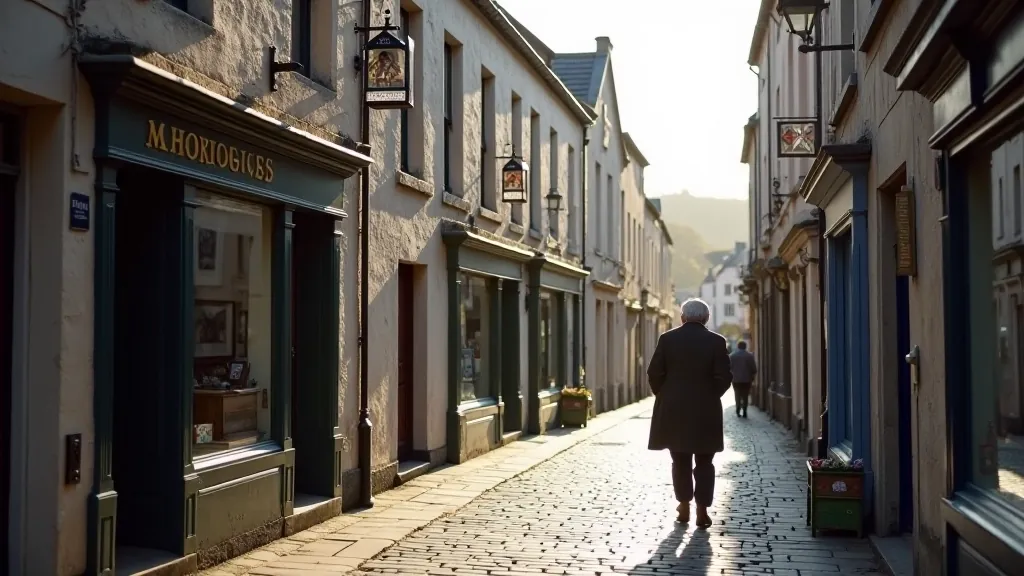
This is where the Medieval Mile becomes genuinely fascinating. The shopfront windows show continuous habitation — medieval shop-houses built on medieval foundations. You'll see ground-floor shop windows with living quarters above, a pattern that's remained largely unchanged since the 1400s. These aren't museum pieces — they're actual working shops and residences.
Look carefully at the window lintels and doorways. Medieval builders often left marks and initials — master craftsmen signing their work centuries ago. The cobblestones themselves have worn grooves from centuries of foot traffic, cart wheels, and horses. You're literally walking in the footprints of medieval merchants, craftspeople, and monks.
The architectural details reveal trade specialties. Wider doorways suggest wool merchants (needed space for bales). Certain building clusters indicate guild territories. It's not immediately obvious unless you slow down and really look, which is precisely why the information plaques matter — they point you toward what makes these streets historically significant.
Rest Points and Practical Details
The route finishes near the river, where you'll find the Water Gate — an actual medieval gate where boats once arrived. There's good seating here and several cafés within a 5-minute walk. The entire route is well-marked with brown tourist signs and pavement markers, so you won't get lost even if you're not following a map.
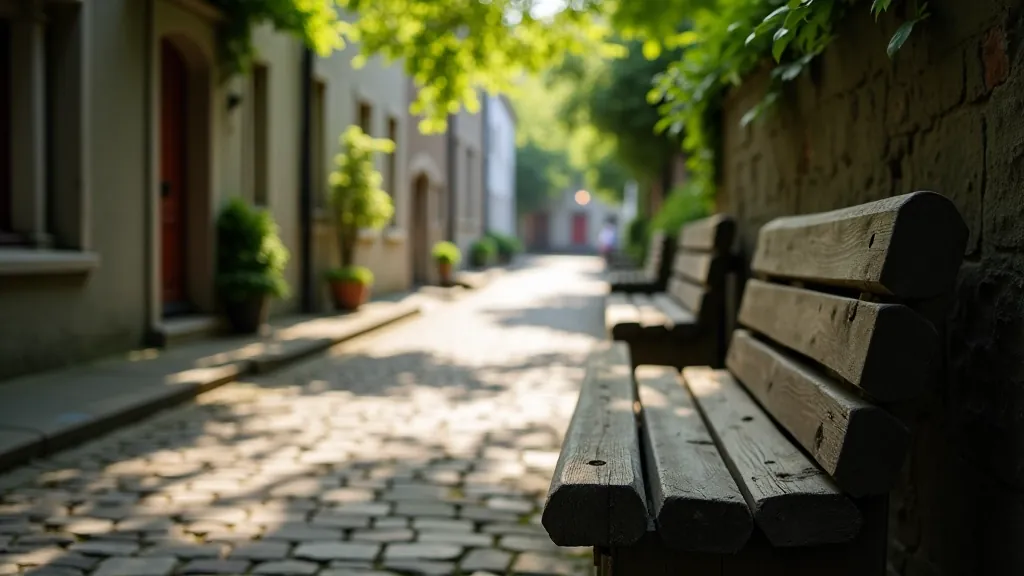
There are five benches positioned at key points along the route. They're not evenly distributed (you'll want to sit earlier than later), but they're there if needed. Public restrooms are available at the castle start point and near the finish. The route stays on streets with good pavement quality, though the cobblestones require careful footing in wet weather.
We'd recommend allowing 2 hours total if you're 60+ or prefer a leisurely pace. One hour is possible if you're fit and moving briskly, but you'd miss the details that make this route worthwhile. The best time is mid-morning when tour groups haven't arrived yet, or late afternoon for better light photography.
Important Information
This walking route is provided as an informational resource for planning your visit to Kilkenny. While the route has been carefully described based on current conditions, walking surfaces, facilities, and local regulations may change. We recommend checking with Kilkenny Tourism for the most current information before your visit. Uneven cobblestones and historical architecture present certain challenges — assess your own fitness level and mobility needs accordingly. Weather conditions significantly affect walking safety on medieval streets, particularly in wet conditions.